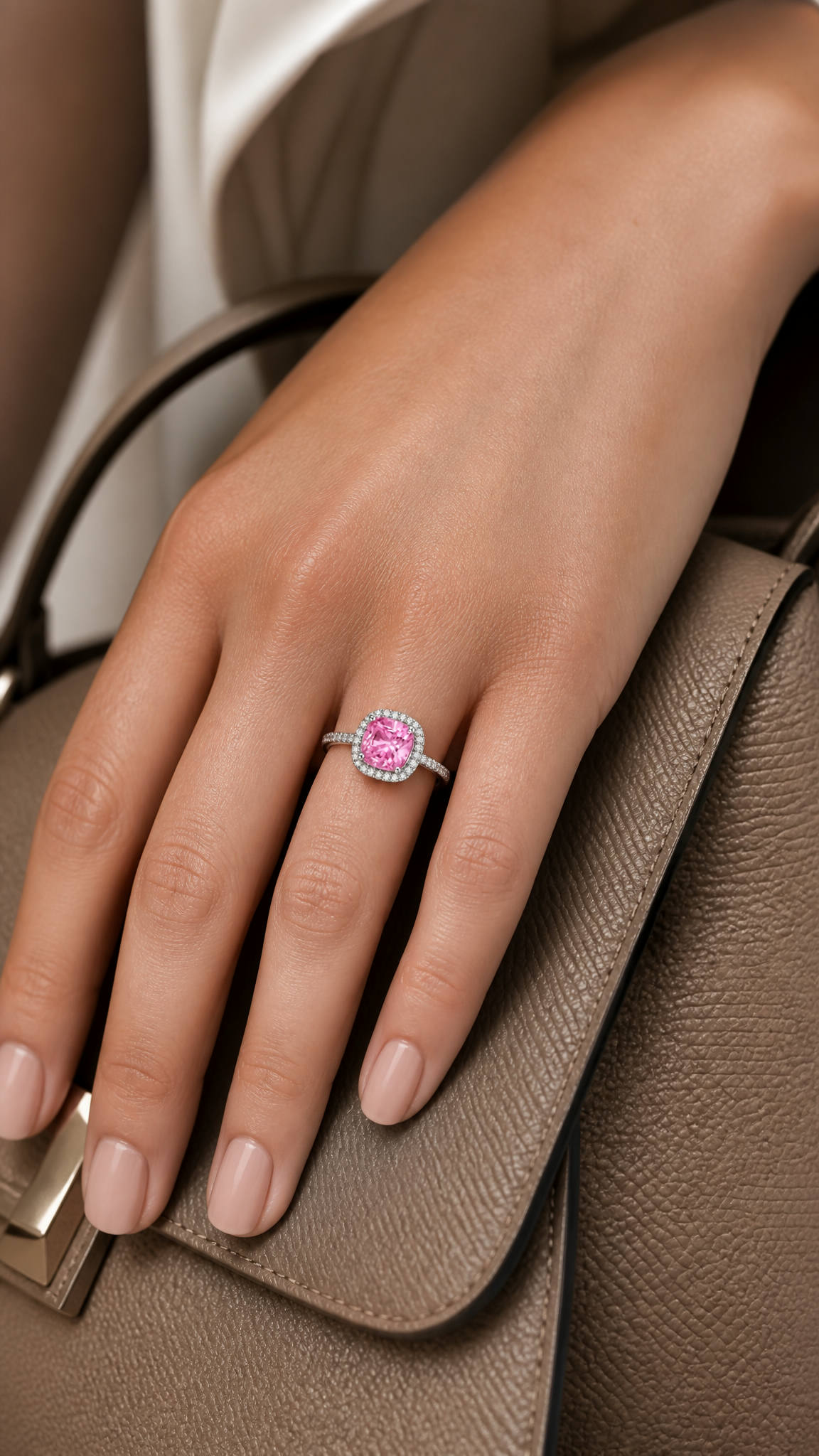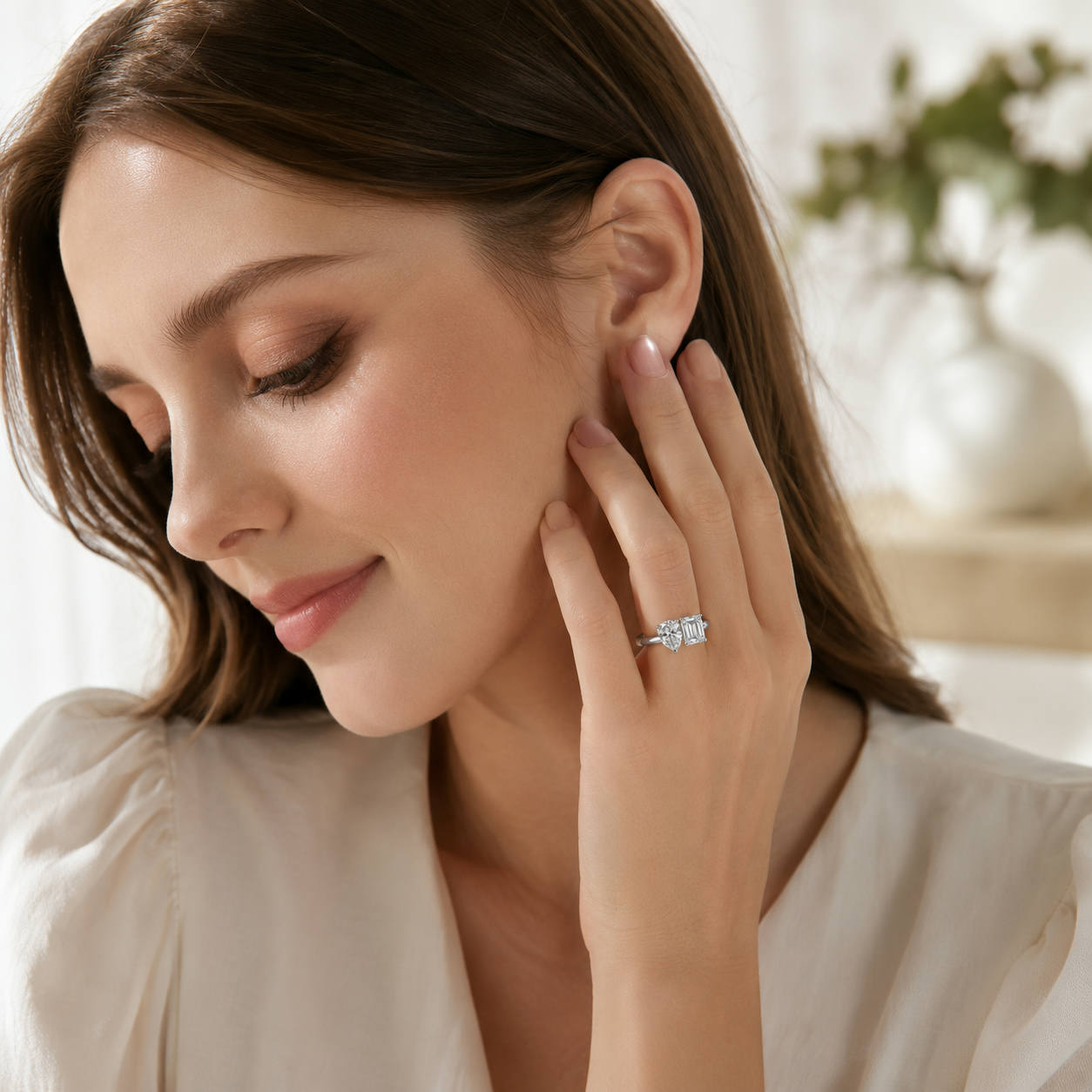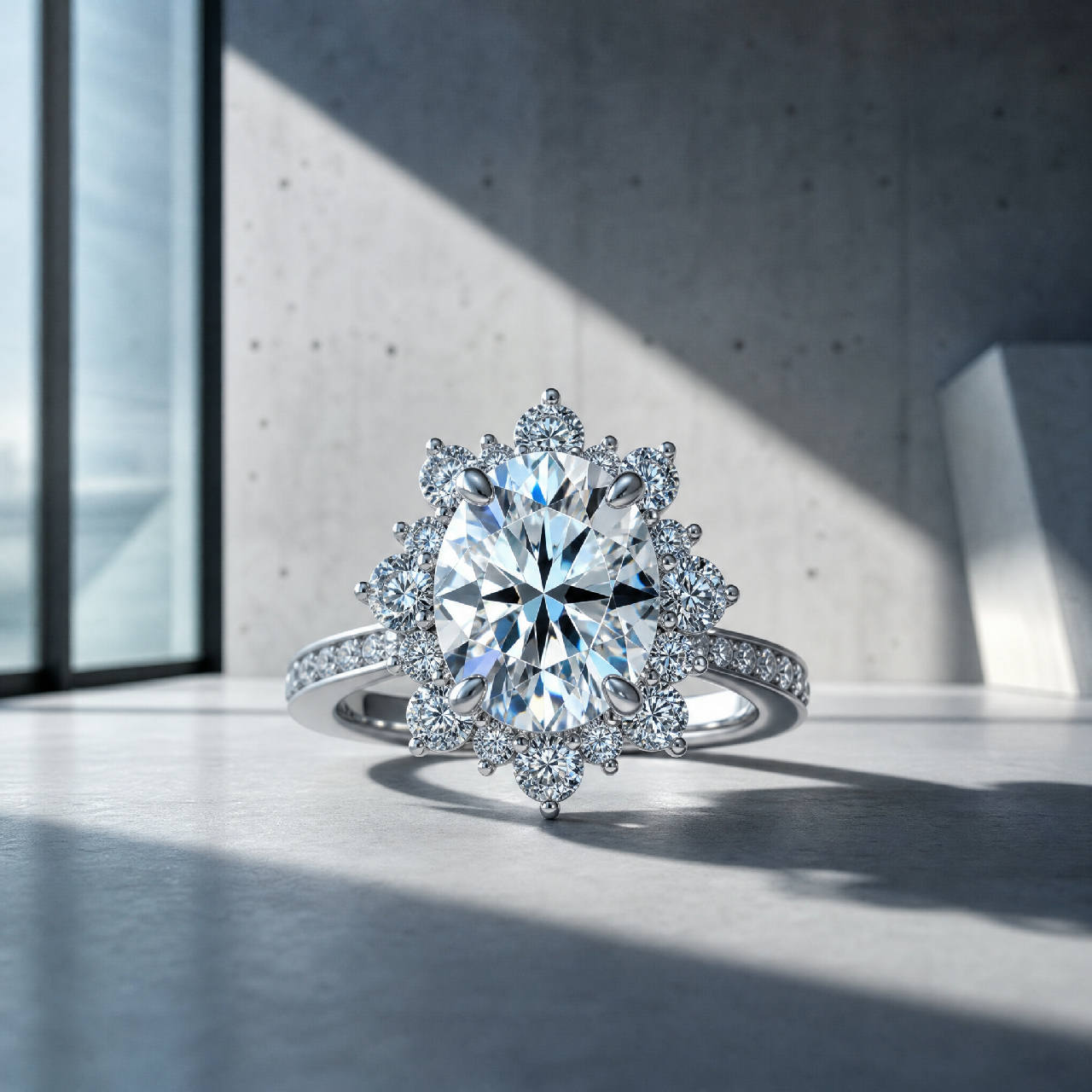
Lab-grown diamonds have essentially the same chemical composition, crystal structure, optical properties, and physical properties as natural diamonds. Price, documentation, treatment, and origin information vary by individual stone and seller.
Chemical and Visual Identity
Lab-grown diamonds are real diamonds. They share the same crystal structure, hardness, and refractive index as natural diamonds.
Price Comparison
Lab-grown diamonds typically cost 60-80% less than natural diamonds of comparable quality. A 1-carat natural diamond might cost $5,000-$8,000, while a lab-grown equivalent ranges from $1,200-$2,500.
Ethical and Environmental Considerations
Laboratory growth avoids diamond mining for that stone, but broader environmental and ethical performance depends on energy sources, manufacturing, supply-chain controls, and documented business practices. Review evidence rather than relying on a general category claim.
Resale Value and Sentiment
Natural diamonds historically hold resale value better, but for an engagement ring - a piece meant to be worn for a lifetime - sentimental value far outweighs investment potential.